





In the modern retail landscape, leveraging data to drive marketing strategies is crucial for maximising sales and enhancing customer experiences. Point of Sale (POS Printing) displays, strategically placed throughout a store, offer a unique opportunity to utilise data-driven marketing to influence purchasing decisions directly at the point of sale. Today we will explore how businesses can harness data to create effective POS displays and the benefits of this approach.
Data-driven marketing uses customer data and analytics to tailor marketing efforts, ensuring they are more effective and personalised. When applied to POS displays, this approach can significantly boost sales and improve customer satisfaction by providing relevant and timely information. According to a study by HubSpot, companies that adopt data-driven marketing are six times more likely to be profitable year-over-year.
The Importance of Data in POS Displays
Data-driven POS displays use insights from customer behaviour, sales patterns, and market trends to create targeted marketing messages. These displays can be customised to appeal to specific demographics, highlight popular products, or promote time-sensitive offers.
Personalisation is key to making POS displays more effective. By analysing customer data, businesses can understand what products are most popular among different segments of their audience. This allows for targeted promotions and personalised messaging.
Key Benefits of Data-Driven POS Displays
- Increased Sales: By analysing sales data and customer preferences, businesses can design POS displays that highlight high-demand products or items that need a sales boost. This targeted approach can lead to increased sales and higher conversion rates.
- Enhanced Customer Experience: Personalised displays create a more engaging shopping experience. When customers see products and offers that align with their interests, they are more likely to make a purchase.
- Improved Inventory Management: Data-driven POS displays help in managing inventory more efficiently. By promoting products that are overstocked or close to their sell-by date, businesses can reduce waste and optimise stock levels.
- Cost Efficiency: Targeted marketing reduces the cost of broad, untargeted advertising campaigns. Focusing resources on data-driven displays ensures marketing budgets are used more effectively.
Implementing Data-Driven Marketing in POS Displays
1. Collect and Analyse Data
The first step in implementing data-driven POS displays is collecting relevant data. This includes sales data, customer demographics, and shopping patterns. Advanced analytics tools can help in processing this data to uncover valuable insights.
Data Sources
- Sales transaction data
- Loyalty programme data
- Online browsing behaviour
- Customer feedback and surveys
2. Segment Your Audience
Use the analysed data to segment your audience based on various factors such as age, gender, purchase history, and preferences. This segmentation allows for the creation of targeted marketing messages.
3. Design Targeted POS Displays
With the audience segments identified, design POS displays that cater to each group. This could include highlighting popular products for a specific demographic, promoting seasonal items, or offering personalised discounts.
Audience Segmentation for POS Displays
| Segment | Characteristics | POS Display Strategy |
|---|---|---|
| Young Adults | Age 18-25, tech-savvy, trendy | Highlight the latest gadgets, tech accessories, and fashion |
| Families | Parents with young children | Promote family-friendly products and bulk discounts |
| Health Enthusiasts | Health-conscious, fitness-oriented | Feature health foods, supplements, and fitness equipment |
4. Incorporate POS Printing
POS printing can be an effective way to create custom, on-demand promotional materials that align with current sales data and trends. By using data to inform what is printed, businesses can ensure that their printed materials are always relevant and engaging.
5. Enhance Displays with Strut Cards
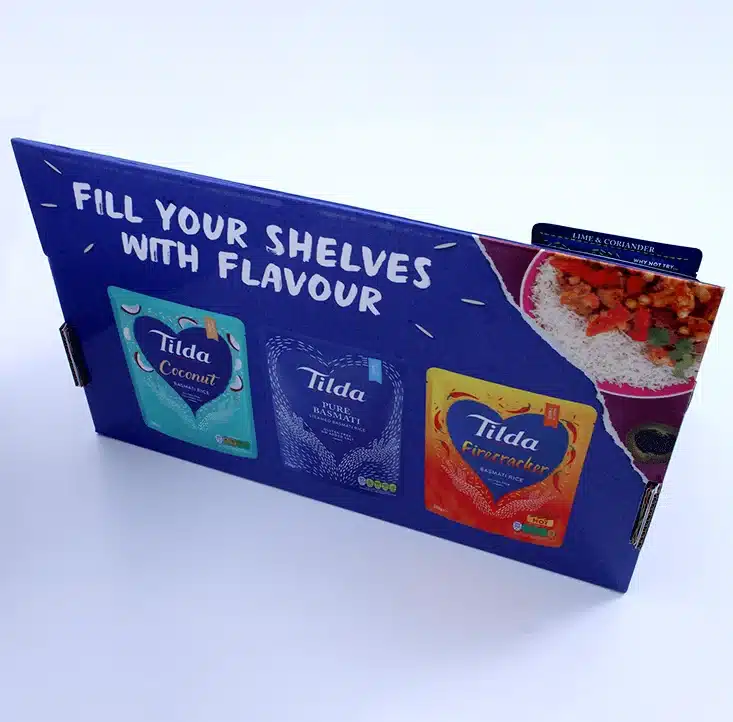
Strut cards are versatile and can be placed on countertops or display cabinet countertops to highlight key promotions or new products. These cards are easily movable and can be updated regularly to reflect the latest marketing data.
These stand-alone displays can be strategically placed to highlight special offers, new products, or important information. By using customer data, businesses can design strut cards that feature products and messages most likely to resonate with their audience, thereby increasing the likelihood of impulse purchases.
6. Utilise Display Cabinet Countertops
Display cabinet countertops provide an ideal space for data-driven marketing materials. By placing targeted promotional items at eye level, businesses can increase visibility and engagement. Businesses can customise these countertops to feature rotating products or offers based on real-time sales data.
7. Monitor and Adjust
Continuously monitor the performance of your POS displays using sales data and customer feedback. Adjust the displays based on what works best to ensure ongoing effectiveness.
The Role of Technology in Data-Driven POS Displays
1. AI and Machine Learning
Artificial intelligence and machine learning can significantly enhance data-driven marketing efforts by predicting customer behaviour and optimising display strategies in real time.
2. Digital Signage
Businesses can dynamically and quickly update digital signage displays based on new data or changing conditions. This flexibility is crucial for timely promotions and adjusting to customer preferences.
Conclusion
Data-driven marketing in POS Printing offers a powerful way to enhance sales, improve customer experiences, and optimise marketing efforts. By collecting and analysing customer data, businesses can create targeted, effective POS displays that resonate with their audience and drive significant results.
Investing in technology and analytics tools is essential for harnessing the full potential of data-driven POS displays. As the retail landscape continues to evolve, those who leverage data to inform their marketing strategies will undoubtedly have a competitive edge.
By integrating these strategies, businesses can show their customers some love and create a positive, memorable shopping experience through effective, data-driven signage.

Nimesh
A digital and print specialist with over decades of experience ranging from design to production, Nimesh is committed to quality and working with clients to add value to their businesses. His technical knowledge of print machinery operation is matched only by his love of the print industry.




Leading
Print Technology
We only invest in the latest print and finishing equipment
