





Although renovating a property is exciting work, there are several rules and permits you must follow. Permission is necessary for most building projects and property modifications. It can be challenging to distinguish between planning permission and building regulations. Despite their apparent similarities, they have different functions in maintaining the ecological health, safety, and aesthetic integrity of our built environment. Let’s understand the key differences between building regulations and planning permissions.
What are Building Regulations – Understanding Building Control Approval
You or your builder, architect, or surveyor must submit complete drawings for approval. This must be done through the building control team of your local council or the building notice system. Approval is required before beginning any construction work. The following are some examples of what is covered by building safety regulations:
- Stability of a building’s structure.
- Technical specifications for drainage and sanitary piping.
- Ensuring that the structure and building regulations for flat roofs are impervious to weather and water.
- Proper fire safety precautions, such as installing fire escapes.
- Levels of soundproofing between rooms and buildings.
- The application of hazardous materials in cavity-fill insulation systems.
- Supporting a building’s foundations.
- Electrical installation design, installation, testing, and inspection—often requiring clearly documented plans and specifications supported by professional printing.
What is Building Permission?
On the other hand, local planning authorities issue planning authorisation for the development or alteration of buildings or land. Before beginning any kind of building, enlargement, or demolition, you must obtain this approval. To control land use and development in the public interest, planning authorisation is a legal necessity. This guarantees that planned developments comply with local planning regulations and enhance the neighbourhood, often requiring the installation of clearly visible Security Signs to mark restricted zones or active construction areas.
In short, planning permission evaluates whether the development would create intolerable harm and if it aligns with national and local policies, for instance, to the standard of living of your neighbours. Supporting documentation, including site plans and elevation drawings, often requires professional printing to meet submission standards.
Understanding Building Regulations and Planning Permission
The fundamental difference between building regulations and planning permission lies in their purpose. The following table shows the differences between them.
| Aspect | Building Regulations | Planning Permission |
| Purpose | Ensures safety, structural integrity, and energy efficiency | Regulates land use, aesthetics, and environmental impact |
| Authority | Local authority building control or private inspectors | Local planning authority |
| Required For | New builds, extensions, renovations, structural changes | Major alterations affecting the surroundings |
| Failure to Comply | Legal penalties, project halt, or demolition | Fines, order to reverse changes |
Crucial Signages to Use During Construction
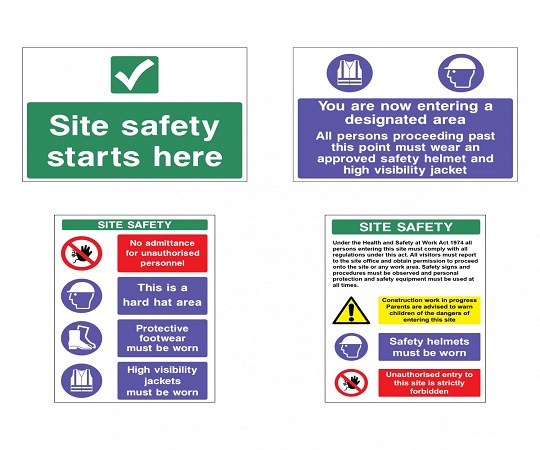
Safety signs are necessary to ensure that you are always in compliance and that the construction site is safe. Foamex Printing Company offers durable, high-quality sign solutions to enable companies to achieve building safety compliance and building control standards easily.
Our Lift Signs unambiguously indicate the position of lifts, weight limits, and directions for emergency use to facilitate smooth and safe movement within any location. Our Security Signs also assist in limiting unauthorized access, imposing safety measures, and establishing a safe environment.
We also supply fire safety signs to meet building control fire regulations, such as fire exit signs, fire extinguisher locations, and emergency assembly point signs. With Foamex Printing Company’s expertly designed signs, you can increase workplace safety and remain compliant with the law. Take a look at our Lift Signs category to view what safety choices we offer.
Conclusion
As with any construction project, it is easy to get sidetracked by planning and design when embarking on one, but compliance and safety are just as important. Planning permission makes sure the work is following local regulations, and building regulations provide the blueprint for building buildings safely. Both are necessary to be legally compliant and structurally secure.
Signage is an integral part of the building code regulations process. Whether lift signs guide individuals to travel safely or Security Signs shield off-limits areas, proper signs are essential. Fire safety signs and warning alarms minimise dangers even more and create a more secure working environment.

Karishma
An enthusiastic Graphic Designer professional with strong communication and organisational skills, who is passionate about creating and developing innovative ideas with the client to help them get their business noticed. I work to the highest standards and have an excellent eye for detail with skills in design and organisation. I am a dependable and productive worker whose honesty and integrity provides effective leadership and builds excellent relationships. I enjoy innovatively…




Leading
Print Technology
We only invest in the latest print and finishing equipment
