




PVC foam boards are widely used for outdoor signage due to their resistance to moisture. Water Resistance The closed-cell structure of PVC foam prevents water absorption. This makes the material suitable for use in damp or rainy environments. Outdoor Performance While the board itself is waterproof, long-term outdoor performance depends on: Board thickness Fixing method Print finish and UV exposure For outdoor applications, thicker boards and secure mounting methods are recommended. Typical Outdoor Uses Directional signage Construction boards Temporary outdoor displays Event signage With proper installation, PVC foam boards perform reliably in outdoor conditions.

Selecting the right board size is essential for visibility, readability, and installation. Viewing Distance Larger boards are required for long-distance visibility, such as exhibitions or outdoor signage. Smaller sizes work well for close-up displays. Common Board Sizes A0 / A1: Large displays, posters, exhibitions A2: Medium signage and presentations A3 / A4: Small notices, menus, information boards Installation Space Always consider available wall or mounting space. Oversized boards can reduce effectiveness if the space is limited. Matching foamex board size to purpose ensures clear communication and professional presentation.
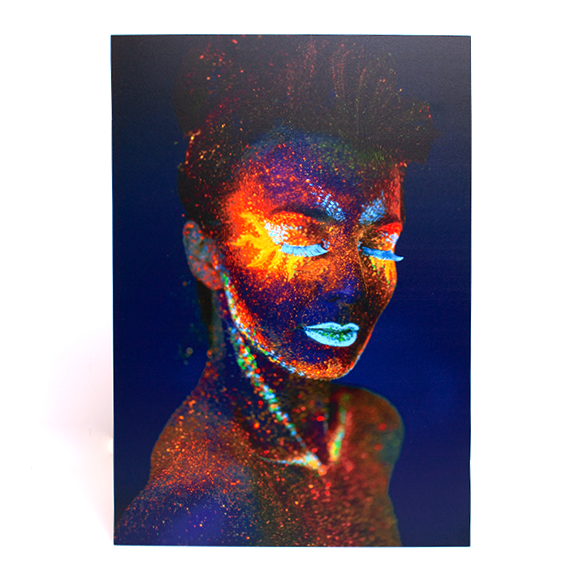
Foamex and Correx are both popular signage materials, but they serve different purposes. Foamex Boards Foamex is a rigid PVC foam board with a smooth surface. It offers excellent print quality and a professional finish, making it suitable for permanent or semi-permanent signage. Correx Boards Correx is a fluted polypropylene board. It is lighter and more flexible but has a ribbed structure that limits print sharpness. Key Differences Finish: Foamex is smooth; Correx is fluted Durability: Foamex is stronger and more rigid Use case: Foamex suits professional signage; Correx suits temporary signs For long-term or premium signage, foamed PVC boards…
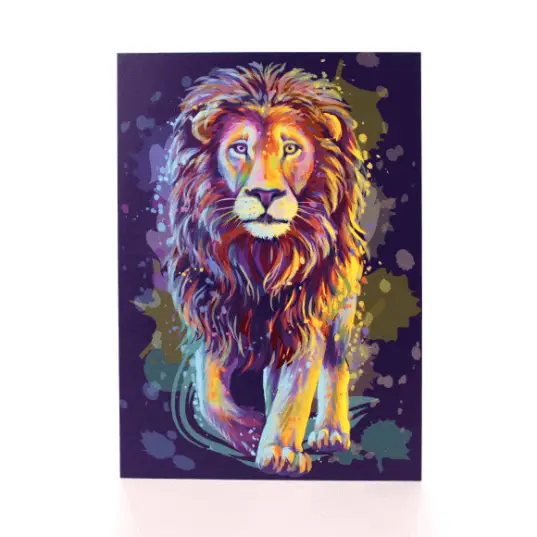
Printing on PVC foam boards requires precision to achieve sharp visuals and long-lasting results. The printing process varies based on board size, thickness, and intended use. Printing Process Foamex boards are typically printed using flatbed UV printers. This method allows ink to cure instantly, producing vibrant colours and strong adhesion to the board surface. Size Considerations Boards are available in standard sizes such as A0 to A4, as well as large-format sheets like 8x4. Larger boards may require thicker material to maintain rigidity and avoid bending. Thickness and Print Quality Thicker boards provide better stability during printing and installation. While…

Foamex boards are widely used across signage, displays, and visual communication due to their balance of strength, weight, and finish. They are made from expanded PVC foam, giving them a rigid structure while remaining lightweight and easy to handle. Material Overview Foamex is a closed-cell PVC foam material. This structure prevents water absorption and gives the board a smooth surface suitable for direct printing, vinyl application, and mounting. Unlike cardboard-based boards, it does not warp easily and maintains its shape over time. Thickness Options Foamex boards are available in different thicknesses depending on application: 3mm – lightweight boards for indoor…